Woodland Forest Animals Embroidery: A Designer's Review
There is a specific kind of magic that happens when a digital design translates into thread, and I have spent years testing thousands of files to understand exactly where that magic works and where it falls flat. Recently, I had the chance to evaluate the Woodland Forest Animals Embroidery bundle with the intent of using it in a real commercial project for a boutique client. My goal was not just to see if it stitches well, but to determine if it holds up as a viable asset for handmade products, personalized gifts, and small business merchandise. After running several test runs on scrap fabric and reviewing the visual personality of the file, here is my honest assessment from a professional designer's perspective.
First Impressions and Visual Personality
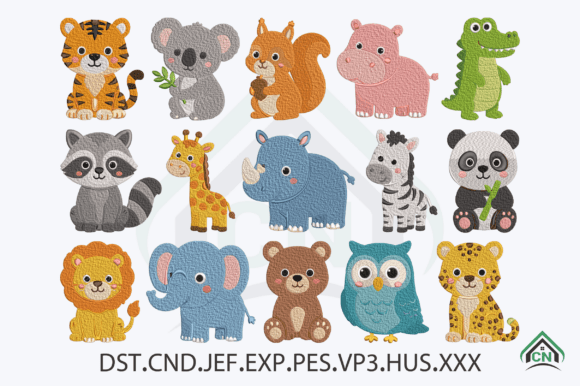
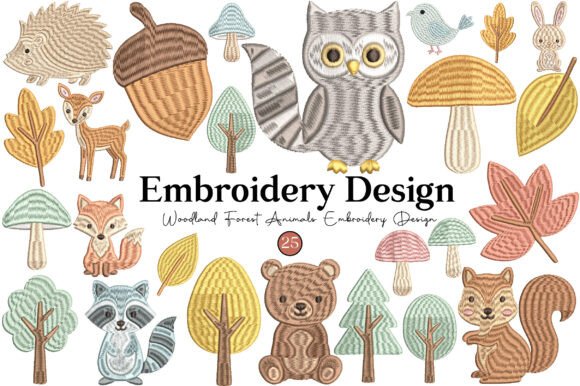
The moment you open the file, the mood is immediately established. This is not a harsh or overly modern geometric pattern; it is warm, inviting, and deeply rooted in nature. The Woodland Forest Animals Embroidery collection exudes a sense of whimsy that feels perfect for nursery decor, baby items, or cozy home goods. The shapes are rounded and soft, avoiding sharp angles that can sometimes look jarring in embroidery. When I looked at the layout, it felt like a storybook illustration brought to life, which is a crucial trait for designs intended to evoke emotion in a finished product.
The detail level strikes a delicate balance. It is detailed enough to show character—think of the texture on a fox's tail or the expression on a deer's face—but not so dense that it risks looking muddy on smaller projects. This balance suggests that the design will age well in the market, maintaining its charm without appearing cluttered or dated. For an Etsy seller or craft fair vendor, this visual appeal is the first step toward building customer trust and brand consistency.
Real-World Application: From Screen to Stitch
To truly judge an embroidery file, you must imagine it on a physical object. I decided to test how Woodland Forest Animals Embroidery would perform on a custom embroidered tote bag and a sweatshirt, two of the most common items in the handmade apparel market. On a canvas tote bag, the design shines. The sturdy fabric provides a stable foundation, allowing the satin stitch areas to lay flat and crisp while the fill stitch sections provide excellent coverage. The result is a high-quality handmade product that looks professional and ready for retail.
However, moving to a sweatshirt introduced some interesting variables. The knit structure of the fabric requires careful handling of stitch density. If the design is too heavy, it can distort the garment's drape. Fortunately, the file appears to be optimized for medium-density stitching, which prevents puckering even on softer cotton blends. This makes it an excellent choice for custom apparel targeting families or children. Imagine a baby onesie featuring a tiny fox or a holiday gift set with a matching pillow cover; the versatility here is significant.
I also considered its potential as an embroidered patch or a decorative accent on kitchen towels. The clean lines of the animals suggest they would hold their shape well even after multiple washes, a critical factor for any item that needs to maintain its appearance over time. For a small shop owner looking to expand their inventory, this design offers a cohesive theme that can be applied across various product categories, from aprons to pillow covers.
Where Caution is Required
While the design is versatile, no single file is a universal solution. There are specific scenarios where Woodland Forest Animals Embroidery might struggle if not approached with care. First, consider small hoop sizes. If you attempt to stitch this on a very small area, such as a cap brim or a tiny pocket, the details may become indistinguishable. The intricate elements that give the design its charm could get lost, resulting in a blob rather than a clear animal shape.
Fabric texture is another critical consideration. While the design works beautifully on smooth cottons and linens, textured fabrics like bouclé or heavy waffle weaves can obscure the finer details. Similarly, stretchy fabric requires extra attention. Without proper stabilization, the natural movement of the material can cause the running stitch outlines to warp, ruining the symmetry of the composition. Dark fabrics present a challenge regarding thread color contrast. You will need to ensure your thread colors pop against the background, potentially requiring a lighter underlay or specific color choices to maintain visibility.
Additionally, avoid placing this design on curved surfaces like caps unless you have a specialized 3D cap frame. The distortion inherent in curved stitching can alter the proportions of the animals, making them look stretched or squashed. For these reasons, I recommend reserving this design for flat surfaces or structured garments where stability is guaranteed.
Impact on Product Value and Brand Perception
In the world of craft business and Etsy listings, the quality of your embroidery directly influences perceived value. A well-executed embroidery project signals professionalism and care, encouraging buyers to pay a premium price. When customers receive a personalized gift or a boutique item featuring clear, vibrant stitching, they feel confident in the craftsmanship. Conversely, loose threads, poor registration, or muddy fill areas can damage a brand's reputation instantly.
Woodland Forest Animals Embroidery has the potential to elevate a simple item into a memorable keepsake. Its thematic consistency helps in creating a recognizable brand identity. Whether you are selling holiday embroidery sets or baby embroidery collections, having a strong central design allows you to build a cohesive catalog. This recognition fosters buyer engagement and repeat purchases, turning casual shoppers into loyal fans of your shop.
Practical Notes for the Design-Conscious Maker
Before you commit to a full production run or upload a printable mockup to your store, there are essential steps every experienced designer takes. Always test the design on scrap fabric first. This allows you to observe how the stabilizer interacts with your specific material and whether the tension settings on your machine need adjustment. Check the stitch density closely; if the fill areas look too tight, try loosening the tension slightly to prevent fabric pucker.
Review the small details in your digitizing software. Ensure that the corners of the animals are defined and that there are no stray jump stitches that could snag during wear. It is also wise to test the design in black and white mockups to verify that the contrast remains effective regardless of the final thread colors. Compare light and dark fabric backgrounds to see which combinations highlight the design best.
Finally, confirm your licensing terms. Many digital embroidery files come with restrictions on commercial use. Make sure you have the right to sell finished items made with Woodland Forest Animals Embroidery before listing them on platforms like Etsy or at craft fairs. If you are unsure about the file formats or machine compatibility, consult the product documentation or contact the creator. By taking these precautions, you ensure that your finished product meets the highest standards of quality and reliability.
In conclusion, Woodland Forest Animals Embroidery is a charming and practical addition to any designer's toolkit. With thoughtful application and attention to technical details, it can transform simple materials into treasured assets for your business or personal projects.