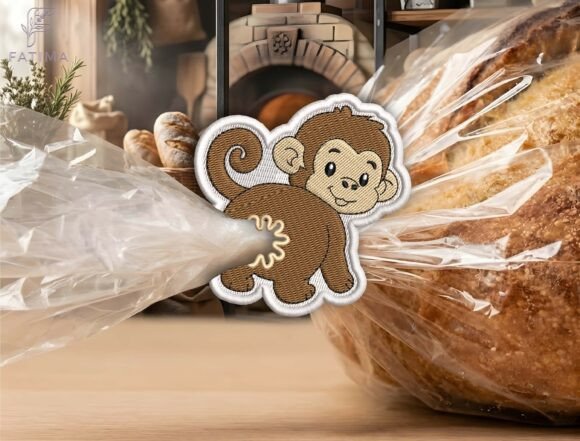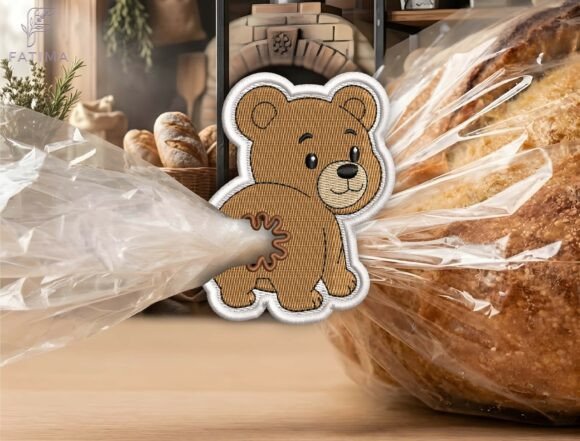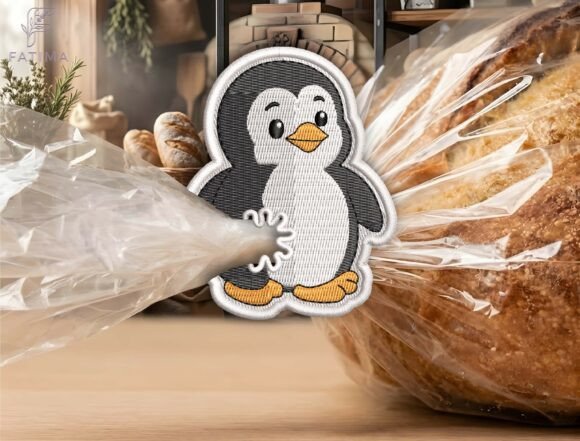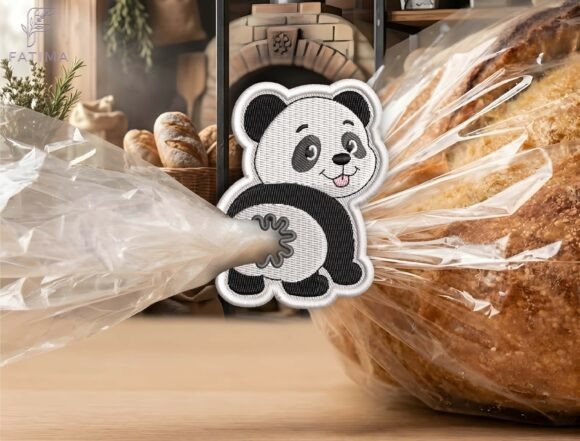
Cute Elephant Bag Tie Embroidery Design Review
As an experienced embroidery designer preparing for a busy weekend craft fair, I am constantly evaluating new machine embroidery designs to see if they have the potential to become best-sellers. When I first encountered the Cute Elephant Bag Tie Embroidery Design, my immediate reaction was one of delight mixed with practical curiosity. The title and description promise a blend of playfulness and utility, which is exactly the sweet spot for handmade goods. But does it hold up when we move from a digital file to a physical product on a crowded booth table? After mentally mapping out my display with tote bags, aprons, and kitchen linens, here is my professional assessment of this design.
First Impressions: A Perfect Match for Farmhouse and Modern Kitchens
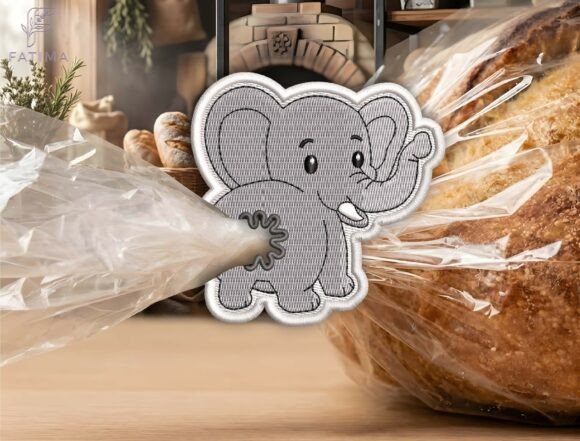
The visual language of the Cute Elephant Bag Tie Embroidery Design feels distinctly warm and inviting. Based on the playful nature of an elephant motif combined with the functional concept of a bag tie, this piece leans heavily into a modern farmhouse aesthetic. It avoids being overly childish while maintaining that "cute" factor that draws customers in. For a booth setup, this design offers a soft, approachable vibe that contrasts well with more rustic or industrial items. It screams "handmade quality" rather than mass-produced plastic. Whether you are selling to families looking for unique gifts or foodies who love kitchen organization, this design hits the right emotional note. It feels like a premium addition to any embroidery business inventory.
Product Versatility: Where This Design Shines
In my experience as a digital seller and boutique maker, the true test of a design is its versatility. The Cute Elephant Bag Tie Embroidery Design is not limited to just one item; it has the potential to elevate several key categories for craft fair sellers.
- Tote Bags and Market Bags: This is arguably the strongest application. Placing the design near the top seam of a canvas tote creates a focal point that highlights the utility of the bag. Customers can instantly visualize using it to carry groceries or bakery items, making the purchase decision much easier.
- Apron Embroidery: For the chef or baker in your target audience, adding this to a linen apron adds a touch of personality without overwhelming the garment. It works beautifully as a small accent on the chest pocket or centered on the bib.
- Tea Towel Embroidery: Kitchen towels are high-volume sellers at markets. The design fits perfectly within standard towel dimensions, turning a simple utility item into a giftable piece. The elephant motif pairs exceptionally well with flour sacks and organic cotton towels.
- Embroidered Patches: If you offer detachable patches, this design is ideal. You can create a set of "kitchen helpers" or sell them individually to be applied to backpacks or laptop sleeves.
- Fabric Pouches and Pillow Covers: Small zippered pouches for makeup or sewing tools benefit from the cute aesthetic. Similarly, pillow covers can use this design to add a whimsical touch to a nursery or a cozy reading nook.
Production Practicality and Batch Selling
When running a small shop product line, efficiency is everything. I need to know if I can produce these items quickly without sacrificing quality. The Cute Elephant Bag Tie Embroidery Design appears to have a balanced stitch density that should allow for smooth machine execution. However, before committing to a large batch, I would advise checking the specific stitch density in the file. Dense areas can sometimes cause puckering on thinner fabrics, while sparse areas might look unfinished on textured materials.
For online listings, this design photographs exceptionally well. The contrast between the thread colors and the fabric will translate clearly in printable mockups used on Etsy or social media. Because the design is distinct yet not overly complex, it remains legible even in thumbnail images. This clarity is crucial for driving traffic to your Etsy seller store. Furthermore, the design feels highly repeatable. Once you have perfected the hooping and stabilizing process, you can churn out matching sets—like a tea towel paired with a matching oven mitt—very efficiently.
Strategic Booth Display and Customer Attention
Imagine setting up your table for a weekend market. You want something that stops people in their tracks. The Cute Elephant Bag Tie Embroidery Design serves as a conversation starter. It is quirky enough to make a customer smile but elegant enough to justify a higher price point. In a sea of generic prints, a hand-embroidered elephant stands out as a testament to craftsmanship. This boosts the perceived value of your finished products, allowing you to command better prices for your commercial embroidery items.
The design also supports strong brand consistency. If your shop focuses on cute, functional home goods, this design reinforces your identity. It tells the buyer that you care about details and have a specific aesthetic vision. When customers engage with the booth, pointing out the specific details of the elephant's trunk or the texture of the stitching can lead to longer interactions and higher conversion rates.
Crucial Designer Notes for Production Success
While the design looks promising, there are several technical considerations that every embroidery file user must address before hitting the production line. As a reviewer, I cannot stress enough the importance of testing.
- Test on Scrap Fabric: Always run a test on scrap material similar to your final product. Check how the design behaves on thick fabric versus thin linen. This prevents wasted time and materials during rush orders.
- Thread Contrast and Colors: Ensure the thread colors chosen provide enough contrast against the background fabric. A light gray elephant on a white towel might get lost, whereas navy blue or charcoal would pop. Review the color palette options provided in the design assets.
- Hoop Size and Spacing: Confirm that the hoop size required for the design matches your machine's capabilities. If the design is too large for a 4x4 hoop, ensure you have a larger frame available. Proper spacing is vital to avoid cutting off parts of the elephant when hooping curved surfaces like caps.
- Stabilizer Selection: The choice of stabilizer is critical, especially for items like tea towels or aprons that require durability. Use the appropriate cut-away or tear-away stabilizer to prevent distortion during washing.
- Inspect Stitch Density: Look closely at the digitization. Are there tiny details that might get lost or thread breaks in dense areas? If the design includes small lettering, verify that it remains crisp and readable.
- Commercial Licensing: Before selling finished products, double-check the licensing terms included with the digital embroidery file. Ensure you have the right to manufacture and sell items created with this design.
Final Verdict for Craft Fair Sellers
The Cute Elephant Bag Tie Embroidery Design is a standout asset for any crafter looking to expand their kitchen or gift collection. It balances charm with function, making it a versatile choice for tote bags, aprons, and kitchen linens. By paying attention to production details like fabric texture, stabilizer choice, and thread contrast, you can transform this digital asset into a high-value handmade product that sells itself at your next craft fair. It is a design that invites customers to imagine bringing a little bit of joy into their daily routines, and that is the secret ingredient to a successful booth display.