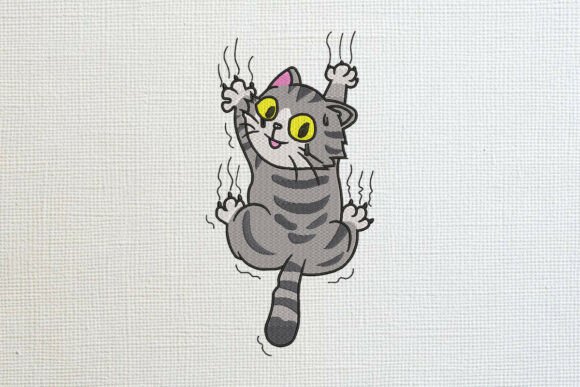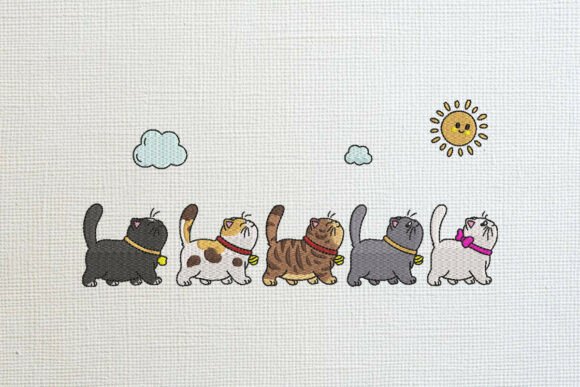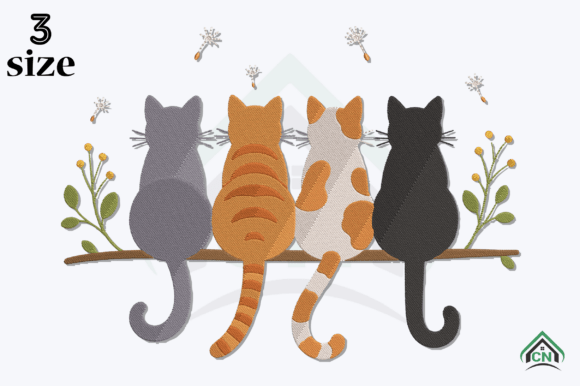
Funny Cat Group Embroidery Design Review
As an experienced embroidery designer who has digitized thousands of files for commercial use, I approach every new asset with a critical eye. When evaluating Funny Cat Group Embroidery Design, my focus shifts immediately from simple decoration to brand viability. For small business owners, Etsy sellers, and merch creators, the difference between a cute graphic and a professional brand asset often comes down to stitch density, scalability, and visual impact on real-world materials.
This review examines how this specific design performs when transitioned from a digital file to physical merchandise like branded patches, staff uniforms, and custom apparel. We will look at its potential to elevate your brand identity while identifying the technical pitfalls that can ruin a production run.
First Impressions: Visual Personality and Brand Fit
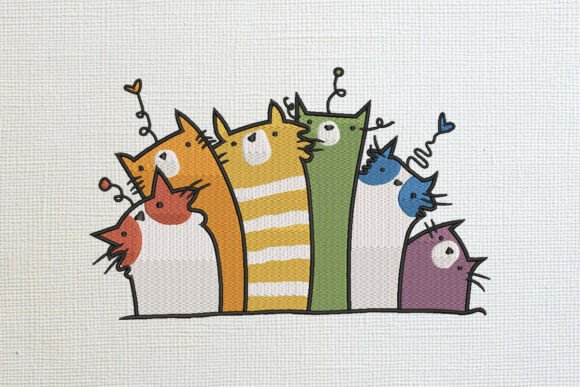
The title Funny Cat Group Embroidery Design suggests a playful, approachable aesthetic rather than a rigid corporate logo. In the context of a professional review, this is a double-edged sword. On one hand, it offers immediate warmth and relatability, which is crucial for businesses in the bakery, pet care, or creative studio sectors. The description promises a professionally digitized file, implying that the underlying structure should be sound for machine embroidery.
Visually, a group dynamic implies interaction. This works exceptionally well for creating a sense of community around a brand. Whether you are running a boutique café, a handmade shop, or a local florist, this design can serve as a friendly face for your company. It feels less like a standard mascot and more like a team member, which can significantly boost customer trust and engagement. However, the "funny" aspect requires careful handling; if the execution is too chaotic, it may undermine the professionalism required for high-end custom apparel.
Real-World Application: From File to Finished Product
The true test of any digital embroidery file is how it translates across different mediums. Let us imagine a scenario where a small coffee shop wants to launch a line of branded merchandise. They decide to use this design as an embroidered patch to sell to customers and sew onto their own aprons.
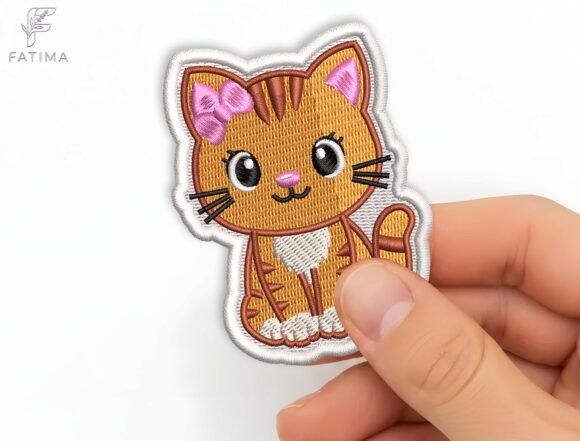
- Embroidered Patches: For a standalone patch, the design needs clear outlines and sufficient negative space to allow for edge finishing. If the Funny Cat Group Embroidery Design features intricate details within the cat figures, they might get lost in a small patch size. Ideally, this design shines as a chest logo accent or a sleeve detail on work shirts where the canvas is larger.
- Apron Embroidery: For a bakery or florist, placing this design on the bib of an apron is a strategic move. It humanizes the staff and makes the brand memorable. The design's playful nature fits perfectly with the tactile experience of wearing a heavy-duty cotton apron.
- Tote Bag Design: Canvas tote bags are a staple for small business merch. A machine embroidery design here adds texture and perceived value compared to screen printing. The design acts as a walking advertisement, but the fabric grain of the bag must be considered to ensure the stitches lay flat.
- Cap Embroidery: Placing this on the front of a cap presents a challenge due to the curved surface. The design must be compact enough to avoid distortion at the corners. If the group of cats is too wide, it will look stretched on a standard trucker hat.
In these scenarios, the design serves as a versatile design asset. It can be used for event merch, customer gifts, or even as a subtle mark on product packaging accents. The key is ensuring the stitch density matches the weight of the fabric being used.
Strategic Risks and Technical Limitations
While the potential is high, an experienced designer must identify where this Funny Cat Group Embroidery Design could fail in a commercial setting. Not every design is suitable for every application.
One major concern is small patch sizes. If the original digitization includes fine lines or tiny text, reducing the design to fit a 2-inch patch will result in thread clumping and loss of definition. Similarly, cap fronts require designs that follow the curvature without excessive pull on the fabric. If the design has high contrast or complex shading, it may not render well on a curved surface without proper underlay adjustments.
Detailed outlines can be problematic on textured fabric like fleece or heavy denim. The texture of the material can interfere with the precision of the stitches, making the design look muddy. Furthermore, if the business plans to wash items frequently, such as staff uniforms or work shirts, the stability of the design is paramount. Designs with high stitch counts can cause puckering if the correct stabilizer is not used.
Dark uniforms present another hurdle. Light-colored threads may not provide enough contrast against dark fabrics unless a heavy underlay is applied, which can increase the stiffness of the garment. Always inspect the thread colors in the digitization to ensure they will pop against your intended merchandise palette.
Impact on Brand Identity and Professionalism
Every stitch tells a story about your business. Using a poorly executed design can signal a lack of attention to detail, whereas a well-placed, clean embroidery job signals quality. The Funny Cat Group Embroidery Design has the power to enhance your brand identity by projecting a fun, accessible, and creative image.
When customers see a high-quality embroidered logo on a tote bag design or a uniform, it elevates the perceived value of the product. It transforms a generic item into a premium handmade product. This visual consistency builds recognition over time. However, if the design looks amateurish or distorted, it can damage buyer engagement and make the brand appear unprofessional.
To maintain a cohesive look, ensure that the style of this design aligns with other design assets you use, such as your website graphics or social media branding. Consistency is the backbone of a trustworthy brand.
Essential Designer Notes for Production
Before committing to a full production run, follow these practical steps to ensure success with this embroidery file:
- Test in Black and White: Create a monochrome version of the design to check contrast and spacing without the distraction of color.
- Check Small Scale: Digitize a test run at the smallest size you intend to use (e.g., a 1.5-inch patch) to verify legibility.
- Review Thread Contrast: Ensure the chosen thread colors stand out against your target fabric. Dark backgrounds often need light underlay or specific thread weights.
- Inspect Spacing: Verify that there is enough distance between elements to prevent thread breaks or tangling during stitching.
- Confirm Hoop Size: Check the recommended hoop size in the file settings to ensure it fits your embroidery machine and the garment area.
- Test on Real Fabric: Never guess. Stitch the design on the actual fabric you plan to use to assess tension and puckering.
- Use Proper Stabilizer: Select a stabilizer appropriate for the fabric weight. Heavy cut-away stabilizers are usually best for durable goods like caps and aprons.
- Create a Mockup: Use a printable mockup to show clients what the final product will look like before cutting fabric.
- Compare Assets: Place this design beside your existing logos to ensure visual harmony.
- Verify Licensing: Confirm the commercial embroidery license terms. Ensure you have the right to sell products featuring this design.
By following these guidelines, you can maximize the potential of the Funny Cat Group Embroidery Design while minimizing risk. Whether you are producing finished product for an online store or creating unique gifts for a local market, attention to these technical details separates a hobbyist project from a profitable business venture.
Ultimately, this design offers a charming opportunity to connect with your audience through the universal appeal of cats. With careful execution and a focus on quality, it can become a signature element of your handmade product line, driving sales and fostering a loyal community around your brand.